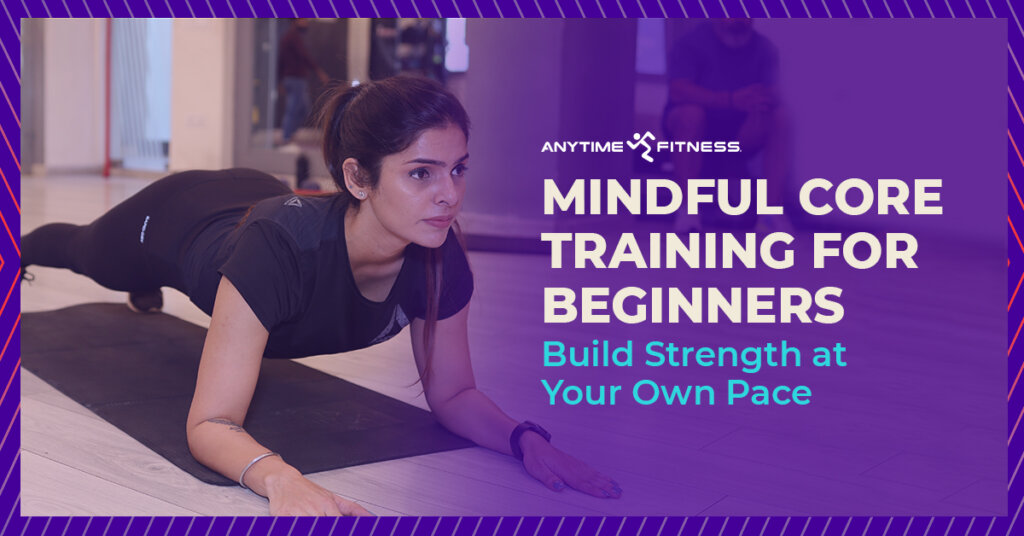
When individuals hear about “core workout,” they instantly think intense crunches, sweat-dripping planks, and sore abs for days. However, developing core strength does not have to be a high-pressure or high-intensity experience, especially if you’re a beginner. It is something that can be worked upon thoughtfully and gradually.
Having a strong core offers various benefits, not only for athletes but for all working professionals, people who work on their feet, children, and even older adults.
Many times, the question arises that which muscles make up the core. So, the answer is that the core is a group of muscles circling the trunk that provide stability and support for the spine and body. It includes the abdominal muscles, diaphragm, obliques, pelvic floor, trunk extensors, and hip flexors. Essentially, it’s the muscles that keep us upright, balanced, and protected.
The Importance of Core Strength
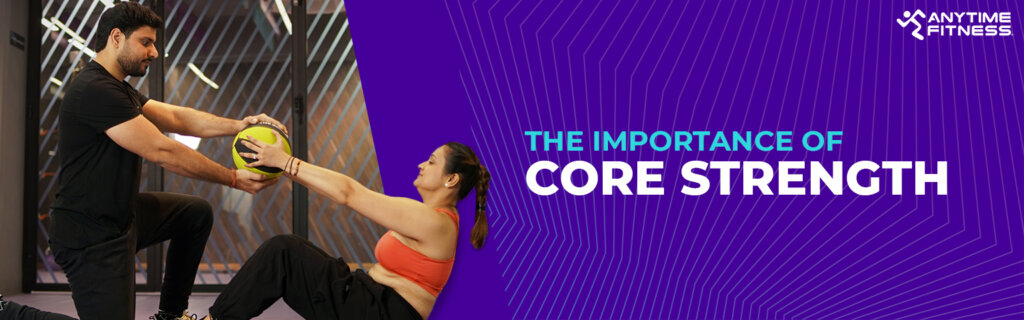
Abs sounds so fancy, right? But let us tell you that it takes hard work to get to that level. What one needs to focus on is the strong foundation of the muscles. Our body needs stabilization. Without the proper framework and muscles to keep our body upright, we wouldn’t even be able to do basic regular activities. The muscles involved in keeping us steady and upright are within the core of the body.
For those who are physically active, core stability helps prevent injuries due to overuse of muscles. A strong core can make movements smoother and more effective, thereby reducing the likelihood of injury and improving an individual’s performance and skill.
Strong core vs. Weak core – Individuals who have a strong core can hold certain core postures longer with more attention on breathing and even the posture control. On the other hand, a weak core is linked with chronic back pain and poor posture. A person with weak core may find it difficult to hold core exercises for long periods.
So, it is well-established that one should focus on one’s core. The goal is not just to “feel the burn” but to:
• Improve posture
• Enhance balance and stability
• Further, prevent injury
• Develop a deeper connection between mind and muscle
You won’t need many fancy equipment, all you need is a mat, some motivation, your favorite song, a few minutes, and your full attention.
Now, it is time to mention some core exercises that every individual can perform! You should also note that regular exercise helps manage stress. Read all about it in our blog on Exercises and their Benefits for Stress Management and Mental Health.
5 Mindful Core Exercises to Start With
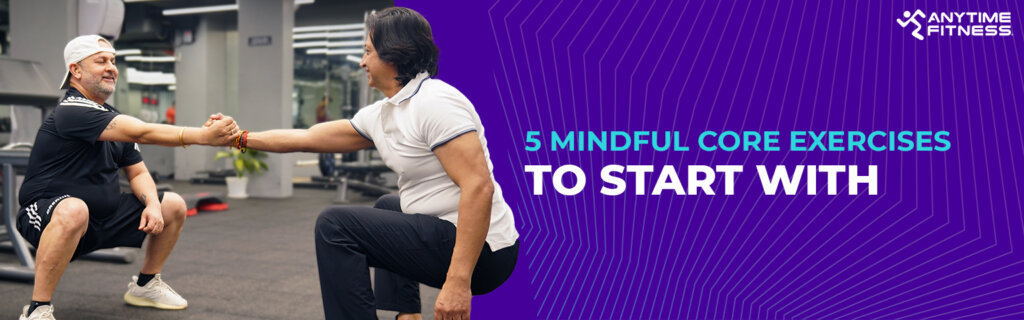
Before you jump into the exercises, we’d like you to keep a few things in mind, such as focus on form over reps. One of the most important things is that don’t hold your breath during exercises – exhale as you engage your core. Be consistent, start at your pace and listen to your body.
Here are some exercises that you can try!
- Dead Bugs
This exercise may have a funny name, but dead bugs are effective for strengthening the core, the muscles in our abs and back.
How to:
• Lie on your back with arms extended above you and knees bent at 90 degrees.
• Slowly lower your right arm and left leg to hover above the ground.
• Return to the starting position and switch sides.
2. Glute Bridges
The glute bridge exercise engages your glute, thigh, and core muscles. It is fun to perform and helps you work multiple muscles.
How to:
- Lie on your back, knees bent, feet hip-width apart.
- Squeeze glutes and lift hips slowly.
- Hold, then lower with control.
3. Bird Dog
The bird dog exercise strengthens the core, hips, and back muscles, helps relieve low back pain, and promotes proper posture.
How to:
- Start on all fours.
- Extend opposite arm and leg while keeping your hips level.
- Hold for a breath, then switch.
4. Seated Knee Tucks
It offers various benefits, primarily for strengthening the core and improving comprehensive fitness. They are a low-impact exercise that targets the abdominal muscles, obliques, and hip flexors, leading to enhanced core strength, better posture, and enhanced stability.
How to:
• Sit on the floor, hands behind you for support.
• Lift your legs and pull your knees toward your chest, then extend out.
5. Plank (Knees Down Option)
The plank with knees down offers several benefits, particularly for beginners and individuals with lower back discomfort. It strengthens core muscles, improves posture, reduces stress on the lower back, and enhances body awareness.
How to:
• Rest on your forearms and knees (or toes if you’re ready).
• Keep your back flat, core tight, and don’t let your hips sag.
• Start with 20–30 seconds and build up over time.
Stretch It Out- Don’t forget to stretch your core and back after your workout. Simple moves like Cat-Cow or a Child’s Pose can help release tension and improve flexibility.
Tips to Stay Mindful While Training
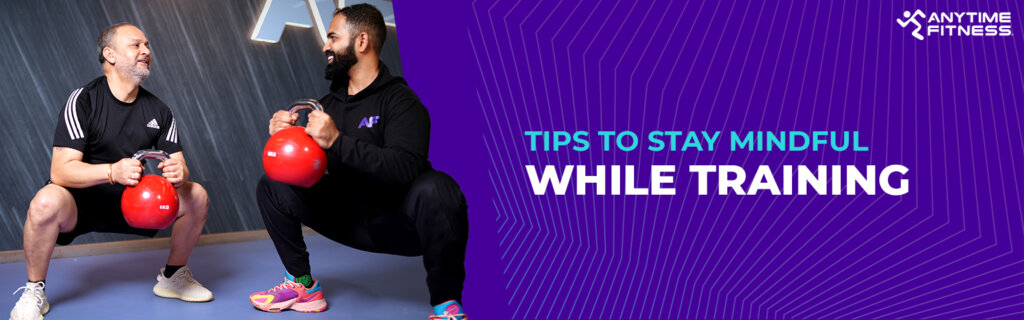
• Breathe Slowly: Inhale through your nose, exhale through your mouth. Coordinate breath with movement.
• Focus on the muscle you’re working. This improves activation and results.
• As mentioned earlier, don’t rush, move at your own pace.
• Take breaks when needed. Pushing through fatigue can lead to poor form.
• End with gratitude: Thank your body for showing up.
Let us mention that you don’t have to push yourself much beyond your comfort level, as it’s all about progress. Whether you’re doing 10 seconds of planks or your first bird dog rep, you’re investing in a stronger, more confident version of yourself. Start slow, stay consistent, and remember: your fitness journey should feel empowering, not exhausting. Further, if you need assistance, our Certified Trainers at Anytime Fitness are here to help you at every step. Get the Gym Membership today!